Η καταγωγή των σύγχρονων Βαλκανικών λαών

Θέματα ιστορικού και αρχαιολογικού ενδιαφέροντος.
Άβαταρ μέλους
Διάδοχος
Danchō
Danchō
Δημοσιεύσεις: 13240

Re: Η καταγωγή των σύγχρονων Βαλκανικών λαών

Δημοσίευσηαπό Διάδοχος » 07 Οκτ 2017, 14:11

Λαχουρένιος έγραψε:Kαι πως αφομοιωθηκαν οι συγκεκριμενοι? Μου κανει εντυπωση

Xριστιανοί Ορθόδοξοι γαρ.


Λαχουρένιος έγραψε:Γενικα μπορει να μου πει καποιος ποιες μειονοτητες υπαρχουν και πως κατανεμονται στην Ελλαδα?

- Αρβανίτες
- Βλάχοι
- Τουρκογενείς
- Σλαβομακεδόνες
- Φραγκοϊταλιώτες
0 .
«Και η κουτσή Μαρία είναι εθνικιστές. Δηλαδή σε αυτό το επίπεδο; Εμείς είμαστε όλος ο πλανήτης!»

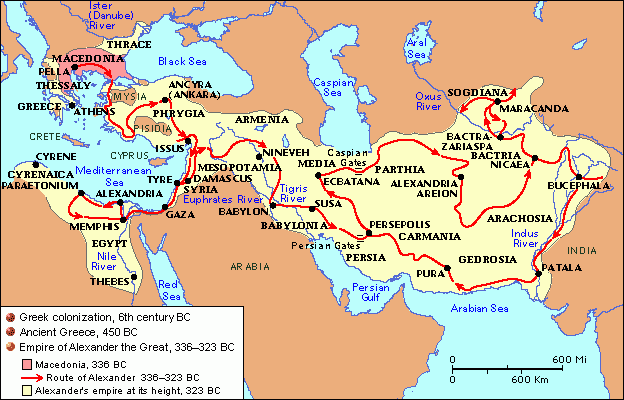
«Εμείς· οι Aλεξανδρείς, οι Aντιοχείς, οι Σελευκείς, κ’ οι πολυάριθμοι επίλοιποι Έλληνες Aιγύπτου και Συρίας, κ’ οι εν Μηδία, κ’ οι εν Περσίδι, κι όσοι άλλοι. Με τες εκτεταμένες επικράτειες, με την ποικίλη δράσι των στοχαστικών προσαρμογών. Και την Κοινήν Ελληνική Λαλιά ώς μέσα στην Βακτριανή την πήγαμεν, ώς τους Ινδούς. Για Λακεδαιμονίους να μιλούμε τώρα!»

Άβαταρ μέλους
Διάδοχος
Danchō
Danchō
Δημοσιεύσεις: 13240

Re: Η καταγωγή των σύγχρονων Βαλκανικών λαών

Δημοσίευσηαπό Διάδοχος » 07 Οκτ 2017, 14:22

Λαχουρένιος έγραψε:Το ελληνικο κρατος οταν σχηματιστηκε ακολουθησε το παλιο βυζαντινο προτυπο για να ενσωματωσει τους πολιτες α) χριστιανισμος β) πιστη στο κρατος

Εκ των υστερων επλασε το παραμυθι της τρισχιλιετους συνεχειας απο την αρχαια Ελλαδα μεχρι την συγχρονη εποχη. Νομιζω αυτο εγινε με την δημοσιευση της ιστοριας του Παπαρρηγοπουλου γυρω στο 1850.

Όχι. Η μαλακία είναι ότι τα έκανε και τα δυό μαζί. Απο την μία ελληνική υποκοότητα πήραν όλοι οι Χ.Ο. του ελλαδικού χώρου ανεξαρτήτως εθνικής καταγωγής, απο την άλλη κλασσική Ελλάδα και απευθείας απόγονοι απο Περικλή. Σχιζοφρενεια.

Αν το δούμε όμως λογικά, δεν συνέβει τίποτε άλλο απο nation building, δλδ constructing or structuring a national identity using the power of the state. Δεν βλέπω κάτι το παράξενο. Απλά να μην μας ζαλίζουν με στομφώδεις καραγκιοζιές για ΕΛς απ τ @@ του Περικλή και του Μεγαλέκου, γιατί μεσολαβούν και 2000 χρόνια ιστορίας, καταγεγραμμένης.

Το ίδιο εξοργιστικό είναι να βλέπεις και τους Σλαβομακεδόνες των Σκοπιών να προσπαθούν να πλασαριστούν ως απόγονοι των αρχαίων Μακεδόνων, ή τους περσαραβορωμιούς Τούρκους εθνικιστές ως άμεσοι απόγονοι κεντροασιατών.
0 .
«Και η κουτσή Μαρία είναι εθνικιστές. Δηλαδή σε αυτό το επίπεδο; Εμείς είμαστε όλος ο πλανήτης!»

«Εμείς· οι Aλεξανδρείς, οι Aντιοχείς, οι Σελευκείς, κ’ οι πολυάριθμοι επίλοιποι Έλληνες Aιγύπτου και Συρίας, κ’ οι εν Μηδία, κ’ οι εν Περσίδι, κι όσοι άλλοι. Με τες εκτεταμένες επικράτειες, με την ποικίλη δράσι των στοχαστικών προσαρμογών. Και την Κοινήν Ελληνική Λαλιά ώς μέσα στην Βακτριανή την πήγαμεν, ώς τους Ινδούς. Για Λακεδαιμονίους να μιλούμε τώρα!»

Άβαταρ μέλους
ВладимирВладимирович
Supreme poster
Supreme poster
Δημοσιεύσεις: 9706
Τοποθεσία: ГуляйПоле

Re: Η καταγωγή των σύγχρονων Βαλκανικών λαών

Δημοσίευσηαπό ВладимирВладимирович » 07 Οκτ 2017, 14:22

- Τσιγγάνοι
0 .
ΤΣΠΡΤΚ ΓΜΣ

Άβαταρ μέλους
Διάδοχος
Danchō
Danchō
Δημοσιεύσεις: 13240

Re: Η καταγωγή των σύγχρονων Βαλκανικών λαών

Δημοσίευσηαπό Διάδοχος » 07 Οκτ 2017, 14:29

ВладимирВладимирович έγραψε:- Τσιγγάνοι Ινδοί

Σωστό, τους ξέχασα. Το διόρθωσα βέβαια λίγο όπως πρέπει.

Παίζει να είναι ο μόνος καθαρόαιμος λαός του βαλκανικού χώρου. Ινδία88!
0 .
«Και η κουτσή Μαρία είναι εθνικιστές. Δηλαδή σε αυτό το επίπεδο; Εμείς είμαστε όλος ο πλανήτης!»

«Εμείς· οι Aλεξανδρείς, οι Aντιοχείς, οι Σελευκείς, κ’ οι πολυάριθμοι επίλοιποι Έλληνες Aιγύπτου και Συρίας, κ’ οι εν Μηδία, κ’ οι εν Περσίδι, κι όσοι άλλοι. Με τες εκτεταμένες επικράτειες, με την ποικίλη δράσι των στοχαστικών προσαρμογών. Και την Κοινήν Ελληνική Λαλιά ώς μέσα στην Βακτριανή την πήγαμεν, ώς τους Ινδούς. Για Λακεδαιμονίους να μιλούμε τώρα!»

Άβαταρ μέλους
Διάδοχος
Danchō
Danchō
Δημοσιεύσεις: 13240

Re: Η καταγωγή των σύγχρονων Βαλκανικών λαών

Δημοσίευσηαπό Διάδοχος » 13 Οκτ 2017, 01:01

Mια πολύ καλή περίληψη για το πως αναμείχθηκαν οι Σλάβοι με το λατινόφωνο Δακοθρακικό υπόστρωμα:

Interaction with the Balkan population

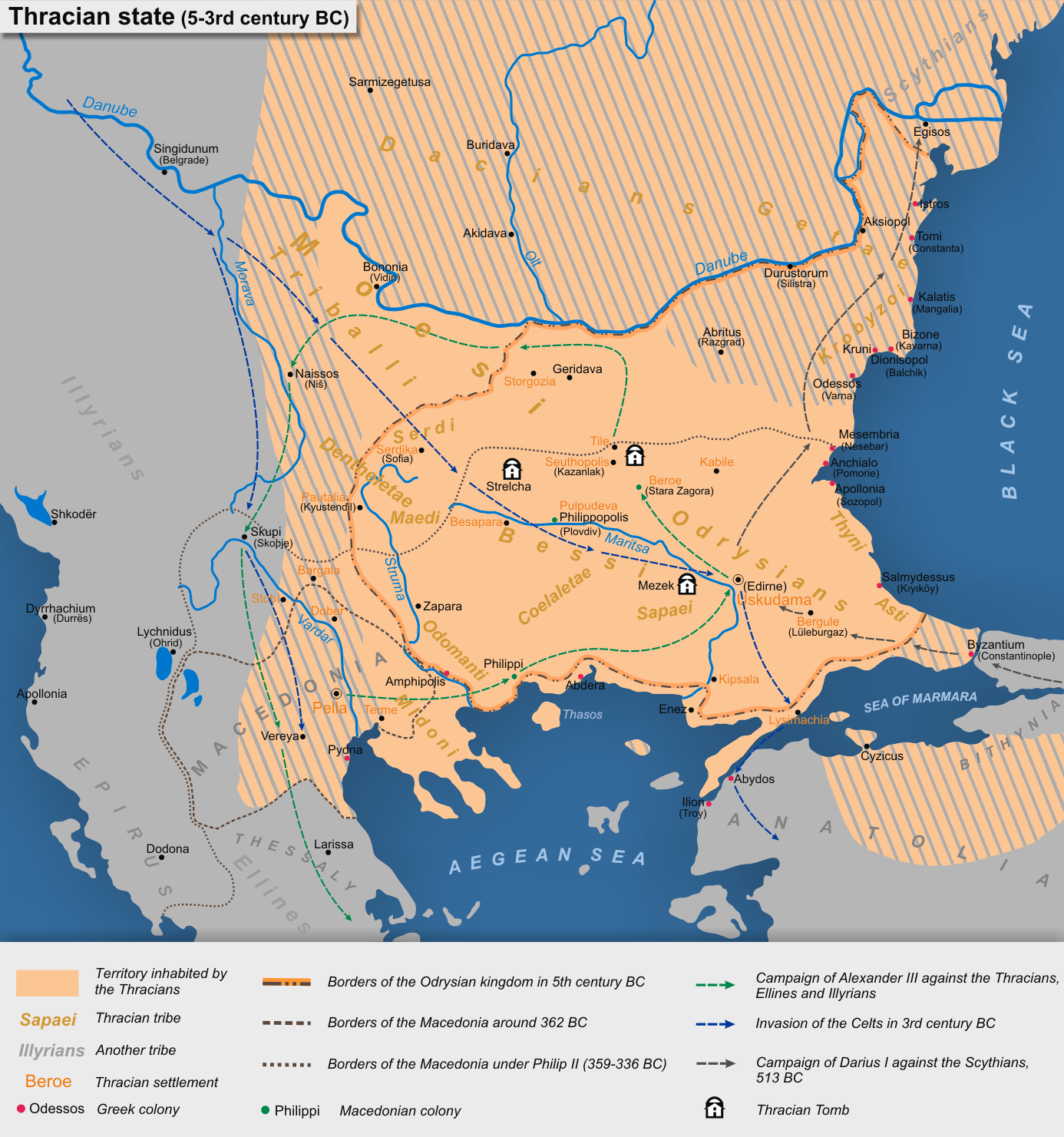
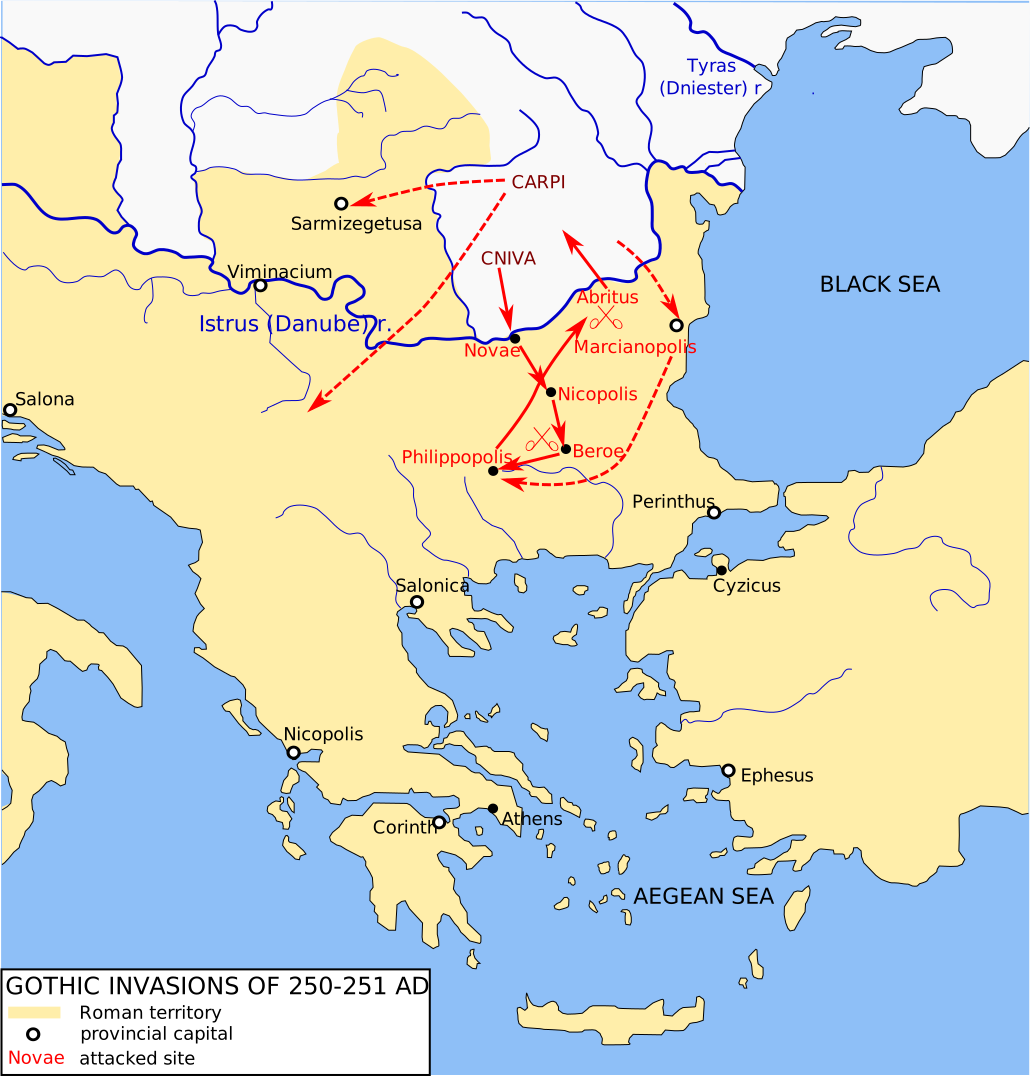
Prior to the advent of Roman rule, a number of native or autochthonous populations had lived in the Balkans since ancient times. South of the Jireček line were the Greeks. To the north, there were Illyrians in the western portion (Illyricum), Thracians in Thrace (modern Bulgaria and eastern Macedonia), and Dacians in Moesia (northern Bulgaria and northeastern Serbia) and Dacia (modern Romania). They were mainly tribalistic and generally lacked awareness of any greater ethno-political affiliations. Over the classical ages, they were at times invaded, conquered and influenced by Celts, Greeks and Romans. Roman influence, however, was initially limited to cities later concentrated along the Dalmatian coast, later spreading to a few scattered cities inside the Balkan interior particularly along the river Danube (Sirmium, Belgrade, Niš). Roman citizens from throughout the empire settled in these cities and in the adjacent countryside. The vast hinterland was still populated by indigenous peoples who likely retained their own tribalistic character.

Following the fall of Rome and numerous barbarian raids, the population in the Balkans dropped, as did commerce and general standards of living. Many people were killed, or taken prisoner by invaders. This demographic decline was particularly attributed to a drop in the number of indigenous peasants living in rural areas. They were the most vulnerable to raids and were also hardest hit by the financial crises that plagued the falling empire. However, the Balkans were not desolate; considerable numbers of indigenous people simply remained. Only certain areas tended to be affected by the raids (e.g. lands around major land routes, such as the Morava corridor).[The pre-Slavic inhabitants sought refuge inside fortified cities and islands, whilst others fled to remote mountains and forests, joining their non-Romanized kin and adopting a transhumant pastoral lifestyle. The larger cities were able to persevere, even flourish, through the hard times. Archaeological evidence suggests that the culture in the cities changed whereby Roman-style forums and large public buildings were abandoned and cities were modified (i.e. built on top of hills or cliff-tops and fortified by walls). The centerpiece of such cities was the church. This transformation from a Roman culture to a Byzantine culture was paralleled by a rise of a new ruling class: the old land-owning aristocracy gave way to rule by military elites and the clergy.

In addition to the autochthons, there were remnants of previous invaders such as "Huns" :D and various Germanic peoples when the Slavs arrived. Sarmatian tribes (such as the Iazyges) are recorded to have still lived in the Banat region of the Danube.

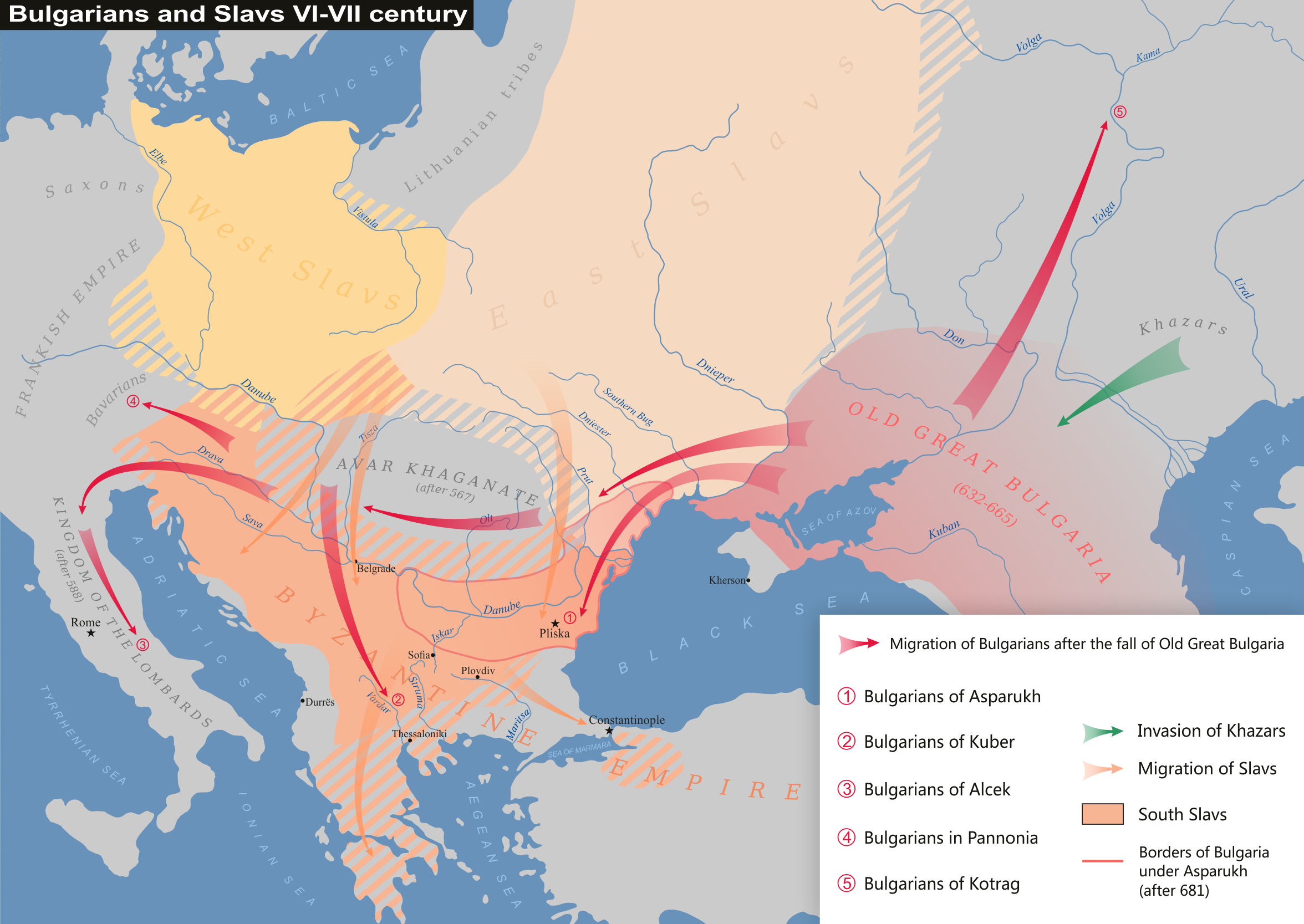
As the Slavs spread south into the Balkans, they interacted with the numerous peoples and cultures already there. Since their lifestyle revolved around agriculture, they preferentially settled rural lands along the major highway networks which they moved along. Whilst they could not take the larger fortified towns, they looted the countryside and captured many prisoners. In his Strategikon, Pseudo-Maurice noted that it was commonplace for Slavs to accept newly acquired prisoners into their ranks. Despite Byzantine accounts of "pillaging" and "looting", it is possible that many indigenous peoples voluntarily assimilated with the Slavs. The Slavs lacked an organised, centrally ruled organisation which actually hastened the process of willful Slavicisation.

The strongest evidence for such a co-existence is from archaeological remains along the Danube and Dacia known as the Ipoteşti-Cândeşti culture. Here, the villages dating back to the 6th century represent a continuity with the earlier Slavic Pen'kovka culture; modified by admixture with Daco-Getic, Daco-Roman and/or Byzantine elements within the same village. Such interactions awarded the pre-Slavic populace protection within the ranks of a dominant, new tribe. In return, they contributed to the genetic and cultural development the South Slavs. This phenomenon ultimately led to an exchange of various loan-words. For example, the Slavic name for "Greeks", Grci, is derived from the Latin Graecus presumably encountered through the local Romanised populace. Conversely, the Vlachs borrowed many Slavic words, especially pertaining to agricultural terms. Whether any of the original Thracian or Illyrian culture and language remained by the time Slavs arrived is a matter of debate. It is a difficult issue to analyse because of the overriding Greek and Roman influence in the region. However, what is certain is that the Thracian and Illyrian identities disappear from history during this period.

Over time, due to the larger number of Slavs, the descendants of most of the indigenous populations of the Balkans were Slavicized, an exception being Greece, where the smaller number Slavs scattered there came to be Hellenized over succeeding centuries (aided in time by more Greeks returning to Greece in the 9th century and the role of the church and administration). :D The Romance speakers within the fortified Dalmatian cities managed to retain their culture and language for a long time, as Dalmatian Romance was spoken until the high Middle Ages. However, they too were eventually assimilated into the body of Slavs. In contrast, the Romano-Dacians in Wallachia managed to maintain their Latin-based language, despite much Slavic influence. After centuries of peaceful co-existence, the groups fused to form the Romanians.

https://en.wikipedia.org/wiki/South_Sla ... population

Παρατήρησα στο άλλο νήμα προσπάθεια διαφοροποίησης Ρουμάνων και Βλάχων. Ναι, είναι διαφορετικοί, απο την άποψη ότι οι Βλάχοι είναι ορεσίβειοι ποιμένες Ρουμάνοι :D
0 .
«Και η κουτσή Μαρία είναι εθνικιστές. Δηλαδή σε αυτό το επίπεδο; Εμείς είμαστε όλος ο πλανήτης!»

«Εμείς· οι Aλεξανδρείς, οι Aντιοχείς, οι Σελευκείς, κ’ οι πολυάριθμοι επίλοιποι Έλληνες Aιγύπτου και Συρίας, κ’ οι εν Μηδία, κ’ οι εν Περσίδι, κι όσοι άλλοι. Με τες εκτεταμένες επικράτειες, με την ποικίλη δράσι των στοχαστικών προσαρμογών. Και την Κοινήν Ελληνική Λαλιά ώς μέσα στην Βακτριανή την πήγαμεν, ώς τους Ινδούς. Για Λακεδαιμονίους να μιλούμε τώρα!»

Άβαταρ μέλους
Adminović
Sloboda Narodu
Sloboda Narodu
Δημοσιεύσεις: 15461
Τοποθεσία: F.R. Liberland

Re: Η καταγωγή των σύγχρονων Βαλκανικών λαών

Δημοσίευσηαπό Adminović » 13 Οκτ 2017, 06:16

Τα λέω συνέχεια αυτά.

Οι Βλάχοι, σε περιοχές της σημερινής νότιας Σερβίας και της Βουλγαρίας ή των Σκοπίων, είναι πλειοψηφία. Απλά έχουν εκσλαβιστεί εξαιτίας των ισχυρών σλάβικων κρατών της περιοχής και δεν υπάρχει πλέον βλάχικη γλώσσα ή συνείδηση.

Άλλωστε, ο λόγος που μετακινηθηκαν στην Ελλάδα πρέπει να ήταν η διαρκής άφιξη Σλάβων στα κεντρικά και βόρεια Βαλκάνια, σε συνδυασμό και με τη μείωση του πληθυσμού στα εδάφη της Ελλάδας που ήλεγχε το Βυζάντιο.

Ειδικά στη Θεσσαλία και την Μακεδονία, προϋπήρχαν μεγάλες σλάβικες κοινότητες, με τις οποίες φαίνεται να έχουν αναμειχθεί οι Βλάχοι που ήρθαν μετά. Κυρίως σε περιοχές της δυτικής Θεσσαλίας ή στον κάμπο, σε ό,τι αφορά την Θεσσαλία. Γιαυτό και υπάρχουν "Βλάχοι" που μοιάζουν με Σλάβους.

Η αρχική τους καταγωγή σαφέστατα είναι τα Βαλκάνια, όπου υπήρχαν κυρίως 3 φυλές, Δάκες, Ιλλυριοί και Θράκες. Με δεδομένο ότι διάφορες μη λατινικες και μη ελληνικές λέξεις των βλάχικων είναι κοινές με τα αλβανικά, μπορεί να υποτεθει βασιμα η εν μέρει κοινή καταγωγή Βλάχων και Αλβανών (απλώς οι Αλβανοί κατάφεραν σε μεγαλύτερο βαθμό να διατηρησουν τη γλώσσα τους). Υπάρχουν κάποιοι που υποστηρίζουν ότι και οι Αλβανοί προέρχονται από περιοχές της σημερινής Ρουμανίας και ήταν κάποιο δακικό φύλο.
0 .
Ο ψεκασμός είναι υγεία, είναι πολιτισμός!

Σκοτώνει βακτήρια, ιούς, μύκητες, ζιζάνια, καθώς και πάσης φύσεως παράσιτα
. :yesyes:

Άβαταρ μέλους
Adminović
Sloboda Narodu
Sloboda Narodu
Δημοσιεύσεις: 15461
Τοποθεσία: F.R. Liberland

Re: Η καταγωγή των σύγχρονων Βαλκανικών λαών

Δημοσίευσηαπό Adminović » 13 Οκτ 2017, 13:31

Meanwhile...


“The analysis of the data has showed that residents of Macedonia share the most DNA with Bulgarians; Serbs and Croats with Bosniaks; while Kosovo Albanians have the fewest similarities with the others,” says the Institute’s Dr Zlatko Jakovski.

Macedonian scientists received samples and data from most of the Balkan countries, except from Greece, which refused to take part in the project. All the other countries sent DNA analyses of persons who had died in their territory to the institute in Skopje.

“By using sophisticated computer technology we have compared the data from Macedonia, Serbia, Bosnia, Bulgaria, Croatia and Kosovo,” Jakovski explained.


0 .
Ο ψεκασμός είναι υγεία, είναι πολιτισμός!

Σκοτώνει βακτήρια, ιούς, μύκητες, ζιζάνια, καθώς και πάσης φύσεως παράσιτα
. :yesyes:

Άβαταρ μέλους
Διάδοχος
Danchō
Danchō
Δημοσιεύσεις: 13240

Re: Η καταγωγή των σύγχρονων Βαλκανικών λαών

Δημοσίευσηαπό Διάδοχος » 13 Οκτ 2017, 23:41

Admin έγραψε:
except from Greece, which refused to take part in the project.

:elladara:
0 .
«Και η κουτσή Μαρία είναι εθνικιστές. Δηλαδή σε αυτό το επίπεδο; Εμείς είμαστε όλος ο πλανήτης!»

«Εμείς· οι Aλεξανδρείς, οι Aντιοχείς, οι Σελευκείς, κ’ οι πολυάριθμοι επίλοιποι Έλληνες Aιγύπτου και Συρίας, κ’ οι εν Μηδία, κ’ οι εν Περσίδι, κι όσοι άλλοι. Με τες εκτεταμένες επικράτειες, με την ποικίλη δράσι των στοχαστικών προσαρμογών. Και την Κοινήν Ελληνική Λαλιά ώς μέσα στην Βακτριανή την πήγαμεν, ώς τους Ινδούς. Για Λακεδαιμονίους να μιλούμε τώρα!»

Άβαταρ μέλους
Διάδοχος
Danchō
Danchō
Δημοσιεύσεις: 13240

Re: Η καταγωγή των σύγχρονων Βαλκανικών λαών

Δημοσίευσηαπό Διάδοχος » 14 Οκτ 2017, 01:04

Εικόνα

Εικόνα

Εικόνα

Εικόνα

Εικόνα

Εικόνα

Εικόνα

Εικόνα

Εικόνα

Εικόνα

Εικόνα

Εικόνα

Εικόνα

Εικόνα
0 .
«Και η κουτσή Μαρία είναι εθνικιστές. Δηλαδή σε αυτό το επίπεδο; Εμείς είμαστε όλος ο πλανήτης!»

«Εμείς· οι Aλεξανδρείς, οι Aντιοχείς, οι Σελευκείς, κ’ οι πολυάριθμοι επίλοιποι Έλληνες Aιγύπτου και Συρίας, κ’ οι εν Μηδία, κ’ οι εν Περσίδι, κι όσοι άλλοι. Με τες εκτεταμένες επικράτειες, με την ποικίλη δράσι των στοχαστικών προσαρμογών. Και την Κοινήν Ελληνική Λαλιά ώς μέσα στην Βακτριανή την πήγαμεν, ώς τους Ινδούς. Για Λακεδαιμονίους να μιλούμε τώρα!»

Άβαταρ μέλους
Freisinniger
Maître des anions
Maître des anions
Δημοσιεύσεις: 10961
Τοποθεσία: Αμέρικα

Re: Η καταγωγή των σύγχρονων Βαλκανικών λαών

Δημοσίευσηαπό Freisinniger » 14 Οκτ 2017, 01:17

0 .
Was mich anbelangt, geht es dich nicht an
Aber hoff doch mal, die Geistererscheinung ab und an. :s_cool


Επιστροφή σε “Ιστορία”