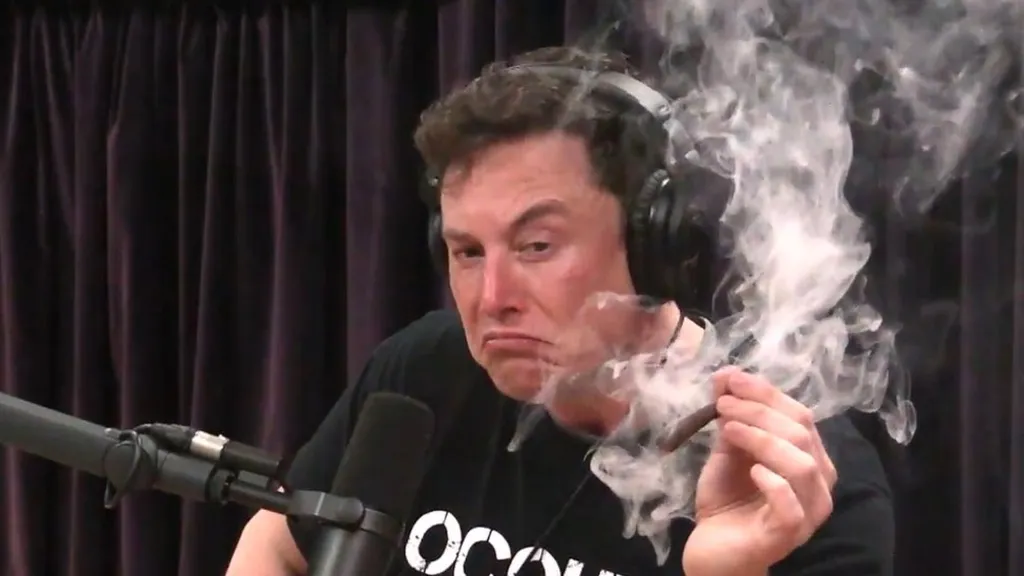
"Weidel is the leading candidate to run Germany" Musk proclaimed at the start of the discussion. However polls differ on whether the Weidel is up front. A poll by public broadcaster ZDF on 20 December puts Weidel at fourth place with 16 %, on the same level as German Chancellor Olaf Scholz and behind rivals Friedrich Merz and Robert Habeck.
On top of this, other parties have ruled out the possibility of working with the AfD, meaning her chance of becoming Chancellor is currently slim.
Weidel wasted no time criticising former Chancellor Angela Merkel, in particular her decision to close Germany's nuclear power plants: "You don’t need to be very smart to realise that you cannot run an industrial country with just wind and solar,” Weidel said.
Musk responded by saying he is a fan of solar and wind energy but that there should be "some form" of fossil fuel energy and nuclear energy.
Both bonded over removing German bureaucratic hurdles when the discussion turned to Musk's Tesla factory in Brandenburg

, just outside of Berlin. "I had a lot of local support," Musk said. In reality, locals lodged over 400 objections to the opening of the plant when it was announced.
The AfD, in particular, were one of the staunchest opponents to the factory with Lars Guenther, the then regional AfD candidate in Brandenburg, calling the plant a "catastrophe for the people in this region."
On immigration, Weidel repeated the AfD's familiar talking point of strict policies on immigration. She claimed that the German government is collecting record levels of income tax and that it was "throwing money out the window" assisting foreigners entering Germany.
Without citing a source for her statistic, she said 57% of people coming through Germany's borders "throw away their passports", appearing to conflate a practice of asylum seekers discarding their passports upon arrival in an attempt to reduce the risk of immediate deportation with legal migration.
As the discussion turned to Israel, Weidel asked Musk on how he would solve the conflict in the Middle East, admitting she "didn't know how she would solve this conflict." Musk then asks if she supports the state of Israel to which Weidel said "Yes, of course."
During the discussion between the pair, Weidel said her party stands for the opposite of what Hitler stood for, claiming Hitler was a "socialist".
“They state funded private companies and then they asked for huge taxes and nationalised the entire industry, and the biggest success after that terrible era in our history was to label Adolf Hitler as right and conservative, he was exactly the opposite,” she said.
The AfD has been rocked by scandals in recent years about its association with neo-Nazi organisations and symbols. Chairman of the AfD parliamentary group in the Thuringian state parliament Björn Höcke has been convicted twice for knowingly using a Nazi slogan at a rally.
The party is classified as a suspected extremist organisation and its youth wing, which the party has tried to jettison, has been labelled an extremist group by Germany's domestic intelligence agency.
Musk has come under fierce criticism from Germany's political establishment for promoting the AfD. The German government described it as "interference" and some politicians compared Musk to Russian President Vladimir Putin.
Musk left little up to the imagination on who he supported and how far he took the criticism seriously, telling his audience : "People need to get behind the AfD, or things are going to get very much worse for Germany."
So far, it is unclear whether Musk's support for the AfD will have a tangible impact on their success in Germany's upcoming election on 23 February. A recent Forsa poll shows voting intention for the AfD has been stable since the start of 2024, with the AfD polling around the same amount as they were this time last year with 19%.
The party is successful among middle-income and low-income voters but draws votes from across social classes regionally, particularly in Germany's East.
https://www.euronews.com/my-europe/2025 ... be-illegal
.gif "Laughing")