Άγνωστες πτυχές της σύγχρονης ιαπωνικής ιστορίας - κοινωνίας

Θέματα ιστορικού και αρχαιολογικού ενδιαφέροντος.
Άβαταρ μέλους
Διάδοχος
Danchō
Danchō
Δημοσιεύσεις: 13240

Άγνωστες πτυχές της σύγχρονης ιαπωνικής ιστορίας - κοινωνίας

Δημοσίευσηαπό Διάδοχος » 01 Μάιος 2018, 12:29

Κοινη πεποίθηση είναι ότι όλοι οι Ιάπωνες είναι υποτακτικοί yes men ή ότι το βιομηχανικό τους θαύμα επιτεύχθηκε γιατί δεν είχαν αριστερά να κάνει απεργίες :georgiouspeaking: , 17N και γενικά ότι είναι παραδοσιακός λαός χωρίς μπαχαλάκηδες, κλπ :pleasantry:


Εικόνα


Οι επισκέπτες στο πανεπιστήμιο Τοντάι του Τόκιο αντικρίζουν το 1968 ένα παράξενο θέαμα: οπλισμένοι με κράνη και ξύλινα ραβδιά οι φοιτητές είναι σαν τους μεσαιωνικούς πολεμιστές σε σχηματισμό, κραυγάζουν ο ένας εναντίον του άλλου μέσα από μεγάφωνα με συνθήματα κατά του «ψεύτικου κομμουνισμού» πριν να ξεκινήσουν οι συγκρούσεις σώμα με σώμα. Σε καμία άλλη χώρα η εξέγερση δεν ήταν τόσο βίαιη και σε καμία άλλη χώρα ο ανταγωνισμός των φοιτητικών ομάδων δεν κλιμακώθηκε με τέτοιο αιματηρό τρόπο.

Το ιαπωνικό φοιτητικό κίνημα οργανώθηκε από το 1948, στον Σύνδεσμο του Κομμουνιστικού Κόμματος Zengakuren. Κύριο αίτημα ήταν η απομάκρυνση των Αμερικανών στρατιωτών από την Ιαπωνία. Το 1959 οι φοιτητές διοργανώνουν διαμαρτυρίες – αλλά ακόμη και τότε αρχίζει ένας κατακερματισμός σε ανταγωνιστικές φατρίες.

Στα μέσα της δεκαετίας του ’60 η αντιπαράθεση σταμάτησε για λίγο καθώς οι αντίπαλες φατρίες ενώθηκαν στον αγώνα κατά του πολέμου στη Βιετνάμ. Από το 1967 και μετά, οι συγκρούσεις των Γιαπωνέζων φοιτητών με την αστυνομία ήταν καθημερινές.

Στα πανεπιστήμια, οι ενώσεις των φοιτητών στα μέσα της δεκαετίας του ’60 εκφράζουν την αντίθεσή τους στο αυταρχικό εκπαιδευτικό σύστημα. Το 1968 τα πανεπιστήμια αποτελούν θέατρο συγκρούσεων.

Μέχρι τα μέσα της δεκαετίας του ’70, από τις συγκρούσεις στα πανεπιστήμια υπάρχουν 44 νεκροί και περίπου 5.000 τραυματίες – τα περισσότερα θύματα από την παράταξη του ιαπωνικού Κόκκινου Στρατού.

Ένα ισχυρό φοιτητικό κίνημα, διεκδικητικού προσανατολισμού, το οποίο θα εκφραστεί μέσα από την μαζικότερη και πιο ριζοσπαστική οργάνωση που γνώρισε ποτέ η χώρα, ή απλώς Zengakuren.

Στο ιδρυτικό μανιφέστο της οργάνωσης που παρουσίασαν 250 αντιπρόσωποι από 154 κρατικά ή μη πανεπιστήμια και το οποίο δόθηκε στη δημοσιότητα την 18/9/1948, διαβάζουμε πως η οργάνωση:

α. θα αντιστεκόταν στην αποικιοκρατική αναδιοργάνωση της εκπαίδευσης,
β. θα προστάτευε την ελευθερία των σπουδών και τη φοιτητική ζωή,
γ. θα διεκδικούσε καλύτερες αμοιβές για τους εργαζόμενους φοιτητές,
δ. θα αντιτασσόταν στον φασισμό, προάγοντας τη δημοκρατία,
ε. θα επιζητούσε την επαφή με το μαχητικό κομμάτι της νεολαίας που βρισκόταν εκτός πανεπιστημίου, και
στ. θα διεκδικούσε την πλήρη ελευθερία και ανεξαρτησία των φοιτητικών πολιτικών παρατάξεων.

Πολύ γρήγορα 300.000 φοιτητές θα βρεθούν υπό τη σκέπη της, και κινούμενοι όλοι από κομμουνιστικά διεθνιστικά πρότυπα -μιας και η κεντρική της επιτροπή ελεγχόταν από το ιαπωνικό Κομμουνιστικό Κόμμα- θα καταστήσουν γρήγορα την Zengakuren σε πρότυπη φοιτητική οργάνωση, ο θρύλος της οποίας θα ξεπεράσει γρήγορα τα ιαπωνικά σύνορα, φθάνοντας μέχρι τον γαλλικό Μάη.

Αν και στη Δύση υπήρχε μία συγκεχυμένη άποψη για το τι πρέσβευε εν τέλει η Zengakuren, η επιρροή της υπήρξε τεράστια για όλα τα φοιτητικά κινήματα στη Δύση, όχι μόνο στο επίπεδο της ιδεολογικής πάλης, αλλά ακόμη και στον τρόπο διεκδίκησης και μάχης με όπλο τα κοντάρια, συνήθως σώμα με σώμα με τις ανά χώρα αστυνομίες.

Κορυφαία στιγμή του ιαπωνικού αντιπολεμικού κινήματος υπήρξε η κατάληψη του σιδηροδρομικού σταθμού της Σινζούκου στο κέντρο του Τόκιο τον Οκτώβριο του 1968, από τις Αντιπολεμικές Συσπειρώσεις Νεολαίας, μια κίνηση που θα οδηγούσε, έστω και πρόσκαιρα, στον αποκλεισμό του ανεφοδιασμού των αμερικανικών βάσεων.

Το πόσο είχε επηρεάσει η δράση της Zengakuren τη δυτική αντικουλτούρα (από το Μάη του ’68, μέχρι τους Weathermen) φαίνεται από ένα και μόνο γεγονός. Από το εξώφυλλο (και το οπισθόφυλλο) του περίφημου single του John Lennon και της Plastic Ono Band, “Power to the people/ Open your box” [Apple, 1971], εκεί που ο John και η Yoko ποζάρουν φορώντας τα χαρακτηριστικά κράνη κάποιας «κατεύθυνσης» της ιαπωνικής φοιτητικής οργάνωσης.

Η πιο σημαντική εξτρεμιστική ιαπωνική οργάνωση ήταν ο Ιαπωνικός Κόκκινος Στρατός, ο οποίος ιδρύθηκε στον Λίβανο το 1971 από τη φοιτήτρια Φουζάκο Σιγκενόμπου. Ήδη από τις πρώτες του μέρες, ο Ιαπωνικός Στρατός ήθελε η δράση του να είναι διεθνής και παρά το γεγονός ότι μαχόταν για την ανατροπή της μοναρχίας στην Ιαπωνία, αδελφοποιήθηκε με την PLO και άλλες αντι-ισραηλινές οργανώσεις της Μέσης Ανατολής.

Γι’ αυτό και μια από τις πρώτες επιθέσεις της εξτρεμιστικής ομάδας ήταν στο αεροδρόμιο «Μπεν Γκουριόν» το 1972, όταν τα μέλη του άνοιξαν πυρ κατά αθώων ταξιδιωτών, σκοτώνοντας 26 Αμερικανούς, Καναδούς και Ισραηλινούς πολίτες και αφήνοντας άλλους 79 τραυματίες.

Διαβόητα χτυπήματα της ιαπωνικής τρομοκρατικής οργάνωσης περιλαμβάνουν την έφοδο του 1974 στη Γαλλική Πρεσβεία της Χάγης, με το περιστατικό να μετατρέπεται σε κατάσταση ομηρείας που διήρκεσε περισσότερες από 100 ώρες, αλλά και το κύμα χτυπημάτων σε πρεσβείες της Κουάλα Λουμπούρ το 1975.

Κατόπιν, έπειτα από ένα διάλειμμα που κράτησε μια δεκαετία σχεδόν, ο Ιαπωνικός Κόκκινος Στρατός ξαναχτύπησε, έχοντας πια στο στόχαστρο το αμερικανικό στρατιωτικό προσωπικό που υπηρετούσε στην Ευρώπη. Το πλέον φονικό βομβιστικό χτύπημα έλαβε χώρα σε κέντρο διασκέδασης Αμερικανών πεζοναυτών στη Νάπολη τον Απρίλιο του 1988.

Η ηγέτιδα του Ιαπωνικού Κόκκινου Στρατού, που μέτρησε τόσες και τόσες τρομοκρατικές επιθέσεις και αεροπειρατείες στη δεκαετία του 1970, συνελήφθη το 2.000, παραμένοντας καταζητούμενη για περισσότερο από 25 χρόνια.


http://www.defence-point.gr/news/i-agno ... omokratias
1 .
«Και η κουτσή Μαρία είναι εθνικιστές. Δηλαδή σε αυτό το επίπεδο; Εμείς είμαστε όλος ο πλανήτης!»

«Εμείς· οι Aλεξανδρείς, οι Aντιοχείς, οι Σελευκείς, κ’ οι πολυάριθμοι επίλοιποι Έλληνες Aιγύπτου και Συρίας, κ’ οι εν Μηδία, κ’ οι εν Περσίδι, κι όσοι άλλοι. Με τες εκτεταμένες επικράτειες, με την ποικίλη δράσι των στοχαστικών προσαρμογών. Και την Κοινήν Ελληνική Λαλιά ώς μέσα στην Βακτριανή την πήγαμεν, ώς τους Ινδούς. Για Λακεδαιμονίους να μιλούμε τώρα!»

Άβαταρ μέλους
Διάδοχος
Danchō
Danchō
Δημοσιεύσεις: 13240

Re: Άγνωστες πτυχές της σύγχρονης ιαπωνικής ιστορίας - Η εξέγερση

Δημοσίευσηαπό Διάδοχος » 01 Μάιος 2018, 12:40

JRA, η γιαπωνέζικη 17Ν:

https://en.wikipedia.org/wiki/Japanese_Red_Army


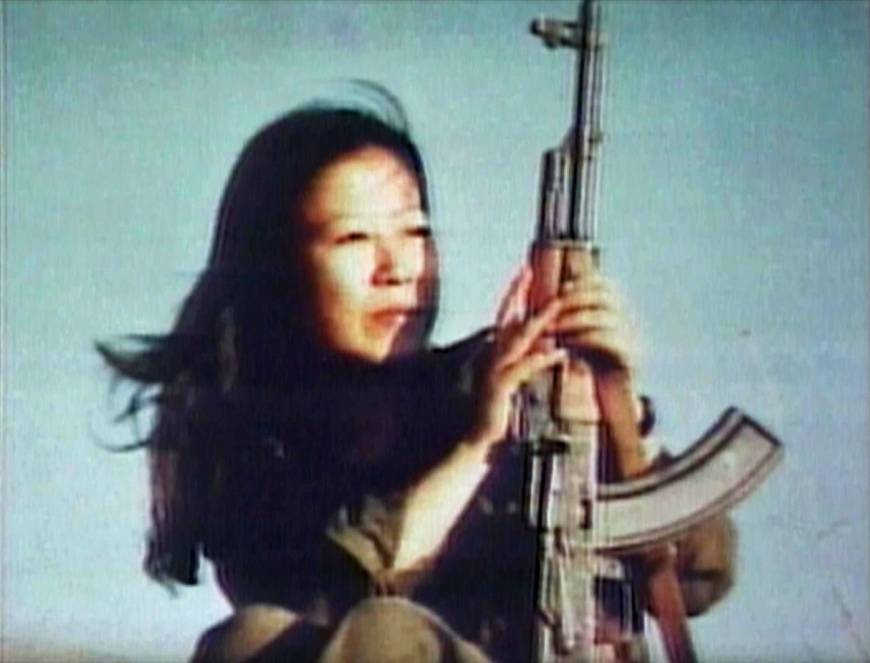
Ο γιαπωνέζος Κουφοντίνας, η Fusako Shigenobu:

Εικόνα

Εικόνα

Εικόνα


Εικόνα

In the 1970s, the Japanese Red Army (JRA) was one of the world's most notorious terrorist groups. Initially a splinter group of the extreme left-wing United Red Army, the group was founded by Fusako Shigenobu in 1969 and was made up of radicals from student groups who protested the presence of U.S. military based in Japan. The goal of the group was to overthrow the Japanese government, eliminate the monarchy and foment world revolution.

In the early 1970s, the Red Army broke into factions. Shigenobu moved her faction to war-torn Lebanon and set up a commune, which allied itself with the Popular Front for the Liberation of Palestine and for fun held nightly self-criticism sessions. Pursued by Israeli agents they were constantly on the run. Even so Shigenobu had a daughter, with a Palestinian terrorist, who she raised with the help of other Red Army members and Arab supporters.


Japanese Red Army Activities and North Korea

In 1970, nine Japanese Red Army member hijacked a Japan Airlines domestic flight, with 138 people on board, to North Korea. During this hijacking the plane landed at Seoul, where a North Korean flag was raised in attempt to trick the hijackers into thinking the plane had landed in Pyongyang. The trick didn't work. The hijackers became suspicious after U.S. airliners were spotted at the airport. The 129 passengers and cabin crew on board were released in Seoul. The plane continued on to Pyongyang, where the nine defected.

The Yodo-go incident was the first hijacking in Japan. One of the Red Army Faction members, Yasuhiro Shibata, was only 16. The plane was on a domestic flight from Tokyo to Fukuoka on March 31, 1970. Yodo-go was the name of the airplane.

The hijackers were granted political asylum. They were welcomed by Kim Il Sung as heroes and initially were feted to privileges like housing in a special revolution village and chauffeured Mercedes-Benz cars.. The hijackers married Japanese women secretly brought into the country. Over time their privileges were taken away and they lived under strict rules imposed by North Korea. Many become idle and bored.

Four of the Yodo hijackers remain in North Korea and will probably stay there. The Japanese government wants to talk to them because they could help answer some unanswered question about the abduction of Japanese citizens by North Korea. Of the 20 children born to Yodo hijackers all are living in Japan. All the hijacker wives live in Japan with the exception of two that remain in North Korea.


Japanese Red Army Activities in Japan

he Red Army executed 14 people in Japan between August 1971 and February 1972 and had shootouts with Japanese police. There were also believed to have had a hand in a 1974 bombing of Mitsubishi Heavy Industries in the central Tokyo business district that killed eight people and injured nearly 400 (this was last major terrorist incident in Japan before the Aum Shinrokyo poison gas subway attack in 1995).

Hiroko Nagata was a United Red Army member who was involved in the mass murder of her comrades in the early 1970s. According to court findings, Nagata conspired with other members of the radical group in the August 1971 murders of two members who tried to leave. She was also involved in the mass killing of 12 more members in a mountainous area of Gunma prefecture between December 1971 and February 1972 over ideological differences.

The Asama Sanso incident was the name given to 10-day stand-off in March 1972 between five Red Army members and police at the Asama Sanso mountain resort in Karuizawamachi, Nagano Prefecture. After Nagata's arrest in February 1972, five members of the group, including Hiroshi Sakaguchi, 64, barricaded themselves into the Asama Lodge in Karuizawa, Nagano Prefecture, taking the wife of the lodge manager hostage. The ensuing gun battles with police, in which three officers were killed, were played out in front of television cameras over the following 10 days.

The incident began when the Red Army members quietly entered the lodge and took the wife of the lodgekeeper hostage. Police tracked the terrorists to the lodge following their footprints in the snow. A shoot-out took place when the terrorists were cornered by police. During the standoff 1,000 police took up positions around the lodge and sprayed the lodge with water cannons to to keep the terrorists from firing. The incident ended when the police stormed the lodge and rescued the hostage after smashing the walls with a wrecking ball. Two police and one member of the public died.

To help obtain funds, the Red Army staged a series of attacks on post offices and financial institutions.


Japanese Red Army Activities in Europe and the Middle East

On May 30, 1972, three members of the JRA grabbed two suitcases from a conveyor belt in the passenger lounge of the Tel Aviv airport, pulled out submachine guns and grenades and opened fire into a crowd, killing 24 civilians, including 16 Puerto Ricans on a religious pilgrimage, and wounded 76. All of the terrorist were killed except for one, Kozo Okamoto, who was captured and imprisoned by Israeli authorities (See Below).

The Red Army was also involved in seizures at the French embassy in the Hague in 1974 and the Swedish and U.S. embassies in Kuala Lumpur in 1975 as part of efforts to win the release of jailed members.

The Red Army is believed to have worked with other international revolutionary groups such as the Red Brigade in Italy and the Baade-Meinhof Gang in Germany. In April 1988, the Red Army detonated a bomb in Naples as part of an anti-American campaign but was pretty quiet after that. Since the end of the Cold War the group has had difficulty securing funds.


Japanese Red Army Activities in Asia

The greatest hijacking ransom ($6 million) was paid by the Japanese government to the hijackers of a JAL flight with 38 hostages at Dacca Airport in Bangladesh in October 1977. The Red Army hijacked Paris-bound Japan Airlines over India. The government gave into the demands of the hijackers to win the release of the 156 passengers and get back the plane. The Prime Minister said, “Human life is weightier than the earth." Six Red Army members were released. In 1973, JAL flight was redirected to Libya and the plane was blown up after the passengers were freed.

In the Dhaka incident in September 1977, then Prime Minister Takeo Fukuda took the extralegal measures of paying ransom and releasing Shirosaki and others for the lives of those aboard the JAL plane. The decision was criticized as Japan making concessions to terrorism.

The Red Army carried out mortar attacks on the Japanese and U.S. embassies in Jakarta in May 1986.


Japanese Red Army Hostage Crisis in Malaysia in 1975

In August 1975, five Japanese Red Army members took about 50 people hostage at the AIA the AIA (American Insurance Associates) Building in Jalan Ampang, Kuala Lumpur. The building housed U.S. consul and Swedish charge The hostages included the United States consul and the Swedish chargé d'affaires. The gunmen won the release of five imprisoned comrades and flew with them to Libya.

The Japanese Red Army was a militant organisation dedicated to eliminating the Japanese government and monarchy and launching a worldwide revolution. The organisation carried out many attacks and assassinations in the 1970s. The Japanese Red Army members entered the building and captured 53 people and held them hostage for 79 hours.They said they would kill the hostages if Tokyo did not agree to release seven JRA members who were in Japanese prisons.

The Japanese government agreed to the demands, although only five of the prisoners took up the offer of freedom. The prisoners were flown to Kuala Lumpur on a Japan Airlines aircraft, together with a crew of nine. Once the plane landed in Kuala Lumpur, the remaining hostages were handed over. The aircraft then left for Tripoli with the hijackers and former prisoners. Also on board were two Japanese government officials and two Malaysian officials who were there to ensure a safe passage. The JAL crew and government officials were released upon arrival in Libya. As a result of negotiations, JRA successfully obtained the release of five of their leaders imprisoned in Japan and Sweden. They were then flew by a DC-8 aircraft on August 7, 1975 to Libya.

In December 2005, Kyodo reported: “British government files show Malaysian officials were critical of Tokyo's slow response and Japan was frustrated by the lack of assistance from the United States, whose consulate in Kuala Lumpur was targeted by the terrorists. The documents also reveal that the chief Malaysian negotiator was confident he could have eliminated or captured all of the hostage takers at one stage in the ordeal, but feared that doing so would stimulate repeat attacks all over the world.

James Craig, Britain's deputy high commissioner in Kuala Lumpur, recounted a long conversation he had had with the U.S. charge d'affaires at the time following the incident. The American diplomat told him that the chief negotiator during the crisis, Malaysian Interior Minister Tan Sri Ghazali, was "no doubt at times...genuinely irritated by the Japanese." Malaysia was particularly concerned about the time it was taking to persuade JAL to supply an aircraft to transport the prisoners from Japan and then on to Libya.

Craig, summarizing the U.S. diplomat's views for his bosses in London, wrote, "The Japanese minister of transport who came here for the negotiations was disagreeable and the Japanese ambassador was clumsy: he seemed at one stage to reveal that the need to persuade JAL was only a ploy. "During the final negotiations at the airport the Malaysians seemed to suspect that the Japanese were trying some tricks without taking the Malaysians into their confidence -- for example, they wondered whether the insistence on a double (JAL) crew meant that the extra men came from some special unit."

In another conversation, Ghazali told Craig he could have killed or captured all the hijackers during the handover of the remaining hostages at the airport when two hijackers were inside the aircraft and three were outside on the tarmac. At the time, there were 10 Malaysian commandos at the scene. Craig wrote, "He (Ghazali) had only to press the button and the three terrorists on the ground would have been shot by snipers and the 10 policemen would have stormed the aircraft. "Perhaps one or two hostages might have been killed but the terrorists themselves would all have been shot or captured. But he (Ghazali) could not do it: he was haunted by the thought that if he did, Malaysian ambassadors and their families in all parts of the world would have been the victims of Japanese Red Army reprisals." Craig also revealed that another Malaysian official told him that two of the Japanese terrorists had carried grenades en route to Libya, despite assurances that they had gotten rid of all their explosives.

Following the crisis, it is understood that the Libyan authorities did not charge any of the JRA members, several of whom were involved in subsequent terrorist attacks. The terrorists included Haruo Wako, who was this year sentenced to life imprisonment in Tokyo for his role in the 1975 incident. Also involved was Junzo Okudaira who is still on the run. The Japanese Red Army was founded by Fusako Shigenobu in February 1971 and its height was one of the most feared terrorist groups in the world. It has close ties to the Popular Front for Liberation of Palestine.


Arrest of Japanese Red Army Terrorists

Even though the Red Army had all but disappeared as a terrorist group Japanese law enforcement officials continued to hunt down the members that remained at large. In the early 1990s, three were apprehended in Romania, Peru and Nepal and another member was arrested in Bolivia.

Yoshima Tanaka, the man who hijacked the Japan Airlines flight in 1970, was arrested at the border of Vietnam and Cambodia in 1996 while traveling with a North Korean passport and was arrested for carrying large amounts of counterfeit $100 bills. He was deported to Thailand and then Japan. Another member died in Pyongyang and another was arrested in in 1988 after secretly trying to enter to Japan, where he was given a five-year prison sentence.

Red Army members Masai Adachi, Haruo Wako, Kazuo Tohira and Mariko Yamamoto were sent to Japan from Lebanon via Jordan in May 2000 as part of deal worked out between the Japanese, Jordanian and Lebanese governments. A fifth member Kozo Okamoto, who was involved in the Tel Aviv airport massacre, was given asylum in Lebanon as a reward for his anti-Israeli activities. He spent 13 years in Israeli prisons, where he was reportedly tortured. He was released in 1985 as part of a prisoner exchange deal.

The Japanese Red Army leader Fusako Shigenobu was arrested in Osaka in November 2000. She was found with several fake passports that indicated she had been traveling regularly between Japan, China and the Middle East. Shigenobu was charged with terrorist crimes associated with the seizure of the French Embassy in the Hague and the use of false passports. She pleaded innocent to the charges of terrorism and said she was not involved in the embassy seizure. Many believe Shigenobu was the mastermind of the Tel Aviv attack.

In February 2006, Shigenobu was given a 20 year prison sentence for her role in the seizure of the French Embassy in the Hague in 1974 and other incidents. Her daughter now lives in Osaka and visits her mother in prison regularly.

The death sentence on Sakaguchi was finalized in 1993, while Tsuneo Mori, who led the group, committed suicide at the Tokyo Detention House in 1973 at the age of 28.

A few Red Army members are still at large and believed to be living in North Korea or somewhere in the Middle East.

Εικόνα


Deaths of Elderly Red Army Members

Hiroko Nagata was arrested in February 1972, and was sentenced to death by the Tokyo District and High courts. The lower court sentences were upheld by the Supreme Court in 1993. In February 2011, Nagata died at the Tokyo Detention House, still on death row, at the age of 65 following a long battle with brain cancer Nagata underwent surgery on a brain tumor in 1984. In 2006, she collapsed at the detention facility, suffering from brain atrophy and impaired consciousness, and was transferred to a medical prison in Tokyo's Hachioji Ward.

In June 2011, Kyodo reported, Yasuhiro Shibata, the youngest Red Army Faction member involved in the so-called Yodo-go incident involving the hijacking of a plane to North Korea in 1970, was found dead at an apartment house in Osaka. He was 58. After receiving notification from an acquaintance who called at the apartment house on Thursday, police rushed to the scene and confirmed Shibata was dead in his room, the sources said, adding there was no sign of foul play. [Source: Kyodo, June 25, 2010]

Shibata had returned home in secret and was arrested by Hyogo prefectural police on charges of violating the passport law in May 1988. He was subsequently given a five-year prison term for burglary and other crimes, finalized in 1993, but was released the following year. Shibata and a Japanese woman had two daughters in North Korea and the three women also returned to Japan. The woman had admitted her involvement in the abduction of Japanese Keiko Arimoto, then 23, to North Korea. Shibata had been in poor health in recent years and was alienated from other Red Army Faction members remaining in North Korea, the sources said.

Red Army member Osamu Maruoka was involved in a series of hijackings. He conspired with Palestinian guerrillas in hijacking a Japan Airlines plane over Amsterdam in 1973. He also hijacked a JAL jumbo jet over India with four accomplices and forced it to land at Dhaka airport in Bangladesh in 1977. He was arrested in Tokyo in 1987 when he entered the country on a forged passport, put on trial and given a life sentence, which was finalized by the Supreme Court in 2000. Maruoka, died at a prison hospital in May 2011 at the age of 60.


Red Army Member Shirosaki Arrested in 2015

In February 2015, Tokyo police arrested Japanese Red Army member Tsutomu Shirosaki at Narita Airport over mortar attacks on the Japanese and U.S. embassies in Jakarta in May 1986. Sixty-seven-year-old Shirosaki was arrested on his arrival at the airport after his deportation from the United States, where he had served a jail term for his role in the U.S. Embassy attack. [Source: Jiji Press, February 21, 2015]

Jiji Press reported: “According to the Japanese arrest warrant, Shirosaki is suspected of attempted murder and arson in connection with the Japanese Embassy attack in the Indonesian capital. Shirosaki was among the six prisoners freed in 1977 to meet the demands of Japanese Red Army hijackers who forced a Japan Airlines plane to land in the Bangladeshi capital of Dhaka. The Public Security Bureau has set up a special investigative unit to shed full light on his whereabouts and activities between his release in 1977 and arrest in Nepal in 1996, before his deportation to the United States. <=>

“Shirosaki may have contacted seven Japanese Red Army members still on the run and members of the communist militant group's predecessor body who fled to North Korea by hijacking JAL's Yodo aircraft in 1970. The arrest warrant said Shirosaki tried to kill people by firing explosives toward the Japanese Embassy around 11:30 a.m. on May 14, 1986, and to set fire to a hotel room to destroy evidence. The Public Security Bureau put him on the international wanted list on suspicion of attempted arson. Following additional investigations, the bureau became confident it could establish an attempted murder case against him. <=>

“Shirosaki was born in Toyama Prefecture, and joined the predecessor organization after dropping out of the University of Tokushima, according to bureau sources. He was arrested in Tokyo in March 1971 and received a 10-year prison sentence for helping the Red Army erany money in a series of attacks on post offices and financial institutions. Until his arrest in Nepal in 1996 and subsequent deportation to the United States, he is believed to have stayed in various places including Thailand, Nepal, Bangladesh and Sri Lanka. In 1998, he was sentenced to 30 years in prison in the United States. He was released from jail in January this year after his term was reduced for good behavior. He was placed under strict supervision by U.S. authorities until his deportation to Japan."


Text Sources: New York Times, Washington Post, Los Angeles Times, Daily Yomiuri, Times of London, Japan National Tourist Organization (JNTO), National Geographic, The New Yorker, Time, Newsweek, Reuters, AP, Lonely Planet Guides, Compton's Encyclopedia and various books and other publications.

1 .
«Και η κουτσή Μαρία είναι εθνικιστές. Δηλαδή σε αυτό το επίπεδο; Εμείς είμαστε όλος ο πλανήτης!»

«Εμείς· οι Aλεξανδρείς, οι Aντιοχείς, οι Σελευκείς, κ’ οι πολυάριθμοι επίλοιποι Έλληνες Aιγύπτου και Συρίας, κ’ οι εν Μηδία, κ’ οι εν Περσίδι, κι όσοι άλλοι. Με τες εκτεταμένες επικράτειες, με την ποικίλη δράσι των στοχαστικών προσαρμογών. Και την Κοινήν Ελληνική Λαλιά ώς μέσα στην Βακτριανή την πήγαμεν, ώς τους Ινδούς. Για Λακεδαιμονίους να μιλούμε τώρα!»

Άβαταρ μέλους
Διάδοχος
Danchō
Danchō
Δημοσιεύσεις: 13240

Re: Άγνωστες πτυχές της σύγχρονης ιαπωνικής ιστορίας - Η εξέγερση

Δημοσίευσηαπό Διάδοχος » 01 Μάιος 2018, 12:48

http://factsanddetails.com/japan/cat16/ ... m1761.html

RIGHT VERSUS LEFT IN JAPAN IN THE 1960s: YUKIO MISHIMA'S SUICIDE AND JAPANESE RED ARMY


RIGHT VERSUS LEFT IN JAPAN

The post-war period---particularly during the Cold war years---was characterized by a bitter ideological battle between the left and right that shaped the political climate and had a tremendous impact on the press. The left remained relevant as political force until the collapse of the Soviet Union in 1991.

Japan became a key ally in the United States's campaign against Communism. It was as close to the Soviet Union as Cuba was to the United States. The Soviet Union lobbied hard and put a lot of diplomatic pressure on the United States and Japan to keep the United States from bring nuclear weapons into Japan.

In Japanese education, pre-war hypernationalism was replaced by post-war communism, with students often taking the lead. Describing this period, the American diplomat Edward Seidensticker wrote in his memoir, “The world was divided between good guys and bad guys. The former were called peaceful and socialist, and their headquarters were in Moscow. This was before the break between China and the Soviet Union. The latter were the capitalist warmongers, and their headquarters was in Washington D.C."


Εικόνα

Hagerty Incident in 1960, helicopter rescues American ambassador after protestors swarm around his car ( Oι δικοί μας φλώροι αριστεροί δεν έκαναν τέτοια :laugh1: )


Japanese Post War Politics

The post-war Japanese political scene was characterized by a domination of the Liberal Democratic Party (LDP), fights and shoving matches in the Diet (the Japanese parliament), and a debate between left-wingers proud of Japan's pacifist status and right-wingers who wanted Japan to be an economic superpower and regain its military strength. The conservatives also pressured the government not to fully apologize to other nations in Asia about atrocities committed in World War II.

The United States supported the LDP if for no other reason than to prevent leftists from coming to power. Japan supported the United States in all of its conflicts against communism. The arrangement suited Japan. While the U.S. took care Japan's security needs the Japanese could devote their attention to creating industrial wealth and getting rich.

The LDP thrived under protection of the United States, and pushed its agenda “for “growth, growth, growth” and stamped out opposition. Buruma argued that dependency on the United States for defense “kept right-wing reactionism alive and polarized political opinion on the one thing where there should have been consensus: the Constitution itself."

The LDP ruled all but 10 months between 1955 and 2000 either with an outright majority or with coalition partners. The fractious politics of the LDP hindered consensus in the Diet in the late 1970s. The sudden death of Prime Minister Ohira Masayoshi just before the June 1980 elections, however, brought out a sympathy vote for the party and gave the new prime minister, Suzuki Zenko, a working majority. Suzuki was soon swept up in a controversy over the publication of a textbook that appeared to many of Japan's former enemies as a whitewash of Japanese aggression in World War II. This incident, and serious fiscal problems, caused the Suzuki cabinet, composed of numerous LDP factions, to fall.


Ο γιαπωνέζος Λαμπράκης++


Inejiro Asanuma (December 27, 1898 – October 12, 1960) was a Japanese politician, and leader of the Japan Socialist Party. A noted public speaker, Asanuma was unusual in post-war Japan for his forceful advocacy of socialism, his support of the Chinese Communist Party, and his criticism of the U.S-Japanese relations was particularly controversial.[citation needed]

Asanuma was assassinated by a nationalist while speaking in a televised political debate in Tokyo. His violent death was seen in graphic detail on national television, causing widespread public shock and outrage.[1] The weapon used was a yoroi-dōshi, a traditional sword.


https://en.wikipedia.org/wiki/Inejiro_Asanuma
0 .
«Και η κουτσή Μαρία είναι εθνικιστές. Δηλαδή σε αυτό το επίπεδο; Εμείς είμαστε όλος ο πλανήτης!»

«Εμείς· οι Aλεξανδρείς, οι Aντιοχείς, οι Σελευκείς, κ’ οι πολυάριθμοι επίλοιποι Έλληνες Aιγύπτου και Συρίας, κ’ οι εν Μηδία, κ’ οι εν Περσίδι, κι όσοι άλλοι. Με τες εκτεταμένες επικράτειες, με την ποικίλη δράσι των στοχαστικών προσαρμογών. Και την Κοινήν Ελληνική Λαλιά ώς μέσα στην Βακτριανή την πήγαμεν, ώς τους Ινδούς. Για Λακεδαιμονίους να μιλούμε τώρα!»

Άβαταρ μέλους
Διάδοχος
Danchō
Danchō
Δημοσιεύσεις: 13240

Re: Άγνωστες πτυχές της σύγχρονης ιαπωνικής ιστορίας - Η εξέγερση

Δημοσίευσηαπό Διάδοχος » 01 Μάιος 2018, 12:53

Left Wing Activism in Japan and Anti-American Demonstrations

n the 1960s and 70s, there were anti-American demonstrations led by students who opposed to Japan's security arrangement with the United States and the use of American bases in Japan for the war in Vietnam.

In 1968, protests were held at 150 universities and violence spilled into the streets. The University of Tokyo was shut down for almost a year and didn't reopen until 8,500 club-wielding police burst into a university building and arrested 256 activists.

In the 1960s and 70s there were bomb attacks on industrial targets by left-wing groups. In 1974, left-wing radicals bombed a Mitsubishi Heavy Industries building, killing eight people and injuring 380 others.

Unrest and activism in the 1960s and 70s was a “broad-based swing to the left." But in the end it was given a bad name by terrorist acts :fico: and was so “obliterated by the government and conservatism” that political activism never reared its head again after that.
0 .
«Και η κουτσή Μαρία είναι εθνικιστές. Δηλαδή σε αυτό το επίπεδο; Εμείς είμαστε όλος ο πλανήτης!»

«Εμείς· οι Aλεξανδρείς, οι Aντιοχείς, οι Σελευκείς, κ’ οι πολυάριθμοι επίλοιποι Έλληνες Aιγύπτου και Συρίας, κ’ οι εν Μηδία, κ’ οι εν Περσίδι, κι όσοι άλλοι. Με τες εκτεταμένες επικράτειες, με την ποικίλη δράσι των στοχαστικών προσαρμογών. Και την Κοινήν Ελληνική Λαλιά ώς μέσα στην Βακτριανή την πήγαμεν, ώς τους Ινδούς. Για Λακεδαιμονίους να μιλούμε τώρα!»

Άβαταρ μέλους
Διάδοχος
Danchō
Danchō
Δημοσιεύσεις: 13240

Re: Άγνωστες πτυχές της σύγχρονης ιαπωνικής ιστορίας - Η εξέγερση

Δημοσίευσηαπό Διάδοχος » 01 Μάιος 2018, 13:02

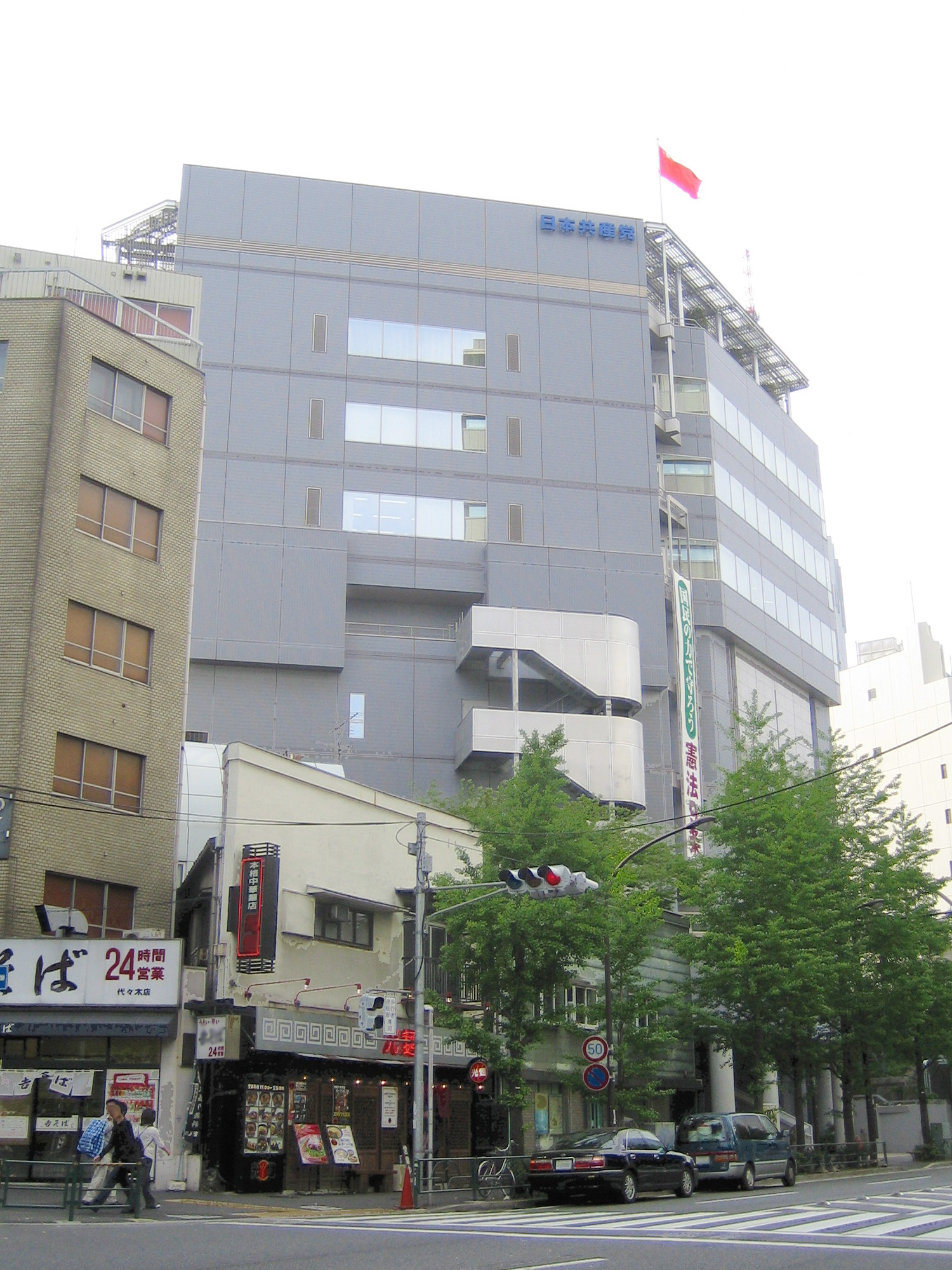
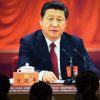
Μιλάμε τώρα για χώρα που τα κουμμούνια παίρνουν σταθερά σχεδόν 10% στις εκλογές :-/

https://en.wikipedia.org/wiki/Japanese_Communist_Party


Γιαπωνέζικος Περισσός:


Γιαπωνέζος Κουτσούμπας:

2 .
«Και η κουτσή Μαρία είναι εθνικιστές. Δηλαδή σε αυτό το επίπεδο; Εμείς είμαστε όλος ο πλανήτης!»

«Εμείς· οι Aλεξανδρείς, οι Aντιοχείς, οι Σελευκείς, κ’ οι πολυάριθμοι επίλοιποι Έλληνες Aιγύπτου και Συρίας, κ’ οι εν Μηδία, κ’ οι εν Περσίδι, κι όσοι άλλοι. Με τες εκτεταμένες επικράτειες, με την ποικίλη δράσι των στοχαστικών προσαρμογών. Και την Κοινήν Ελληνική Λαλιά ώς μέσα στην Βακτριανή την πήγαμεν, ώς τους Ινδούς. Για Λακεδαιμονίους να μιλούμε τώρα!»

Άβαταρ μέλους
Διάδοχος
Danchō
Danchō
Δημοσιεύσεις: 13240

Re: Άγνωστες πτυχές της σύγχρονης ιαπωνικής ιστορίας - Η εξέγερση

Δημοσίευσηαπό Διάδοχος » 01 Μάιος 2018, 13:23

Γιαπωνέζοι εργατοπατέρες:

Γιαπωνέζικη ΓΣΕΕ:
The National Trade Union Council, commonly known in Japanese as Zenrōkyō (全労協), is a national confederation of Japanese labor unions. There was another organization of the same name from 1947-1950.

Founding and history

In the late 1980s there were many changes in the trade union movement in Japan. The two major bodies of trade unions, the General Council of Trade Unions of Japan (Sōhyō) and the Japanese Confederation of Labor (Dōmei), formed the National Confederation of Trade Unions (Rengo) in 1989, advocating the importance of the Japanese Labor Union movement being unified. On the other hand, a number of other labor unions which felt Rengo was too conservative, formed the [b]National Confederation of Trade Unions (Zenroren), which had a close relationship with the Japanese Communist Party[/b]. (γιαπωνέζικο ΠΑΜΕ)

There were some other labor unions which did not wish to join either Rengo or Zenroren, who formed the National Trade Union Council on December 9, 1989 with its slogan of being a "Real fighting labor union movement". This organization was born out of the Labor Research Center, which had been created by former Sōhyō chairmen Kaoru Ota and Makoto Ichikawa and former secretary general Akira Iwai.

Unlike organizations such as Sōhyō or Zenroren, Zenrokyo regards itself as a council of its affiliated labor unions, rather than a national center of labor unions. Despite this, given that it has national coverage with its affiliated member organizations being widely spread throughout the nation, it is often regarded as one of the national centers of labor unions in Japan.

Currently

Zenrokyo holds a regular annual conference. Its most recent, the 23rd annual conference, was held in September 2011.

Estimates of Zenrokyo's membership vary. Zenrokyo itself declares its membership to be some 300,000, while according to the investigation by the Ministry of Health, Labor, and Welfare its numbers were reported as 118,000 as of December, 2010.

In terms of its membership, Zenrokyo is much smaller than Rengo and Zenroren. However, it is also the only one of the major trade union federations to actively organize foreign workers in Japan.

Its membership rose to 128,000 as of the end of June 2011.

Politically, Zenrokyo has had a close relation with the left group of the Social Democratic Party (γιαπωνέζικο ΠΑΣΟΚ), and it supports both the Social Democratic Party and the New Socialist Party. However, Zenrokyo does not force its members to raise funds as an organization or to support the political parties mentioned above, and it regrets that this was done in the Sōhyō period.

Zenrokyo's priorities

- Safeguarding the Peace Constitution
- Opposition to war
- Opposition to US Military Facilities in Japan
- Support for the Peace movement
- Opposition to dismissals and restructuring, as shown in Zenrokyo's support for the JNR dismissal lawsuit.
- In addition to this, Zenrokyo cooperates with Zenroren and Rengo on some issues


Affiliated unions

DENTSU ROUSO Telecommunications Industry Labor Union
KOKURO National Railway Workers' Union (NRU)
ZENKOKUIPPAN-ZENKOKUKYO National Union of General Workers (NUGW)
YUSEI UNION Postal Industry Workers Union (PIWU)
Union Zenrokyo
KYOIKU GODO Education Workers and Amalgamated Union Osaka (EWA)

There are also other labor unions. Local organizations in 10 prefectures and 1 region of Japan.


https://en.wikipedia.org/wiki/National_ ... cil_(Japan)
0 .
«Και η κουτσή Μαρία είναι εθνικιστές. Δηλαδή σε αυτό το επίπεδο; Εμείς είμαστε όλος ο πλανήτης!»

«Εμείς· οι Aλεξανδρείς, οι Aντιοχείς, οι Σελευκείς, κ’ οι πολυάριθμοι επίλοιποι Έλληνες Aιγύπτου και Συρίας, κ’ οι εν Μηδία, κ’ οι εν Περσίδι, κι όσοι άλλοι. Με τες εκτεταμένες επικράτειες, με την ποικίλη δράσι των στοχαστικών προσαρμογών. Και την Κοινήν Ελληνική Λαλιά ώς μέσα στην Βακτριανή την πήγαμεν, ώς τους Ινδούς. Για Λακεδαιμονίους να μιλούμε τώρα!»

Άβαταρ μέλους
karhergr
Rookie poster
Rookie poster
Δημοσιεύσεις: 184

Re: Άγνωστες πτυχές της σύγχρονης ιαπωνικής ιστορίας - Η εξέγερση

Δημοσίευσηαπό karhergr » 03 Μάιος 2018, 23:08

Παράκληση να διαγραφεί το προηγούμενο, ο μικρός είχε πάρει τον έλεγχο του pc με το kde-connector και πατούσε κουμπιά στον γάμο του Καραγκιόζη.

Ενδιαφέροντα τα στοιχεία, είναι γεγονός ότι το ΚΚ Ιαπωνίας είναι το μεγαλύτερο κομμουνιστικό κόμμα παγκόσμια (με εξαίρεση αυτά που είναι στην εξουσία) και ο ιαπωνικός λαός, παραδοσιακά δείχνει δυσπιστία στην λεγόμενη οικονομία της ελεύθερης αγοράς.
0 .

Άβαταρ μέλους
Διάδοχος
Danchō
Danchō
Δημοσιεύσεις: 13240

Re: Άγνωστες πτυχές της σύγχρονης ιαπωνικής ιστορίας - κοινωνίας

Δημοσίευσηαπό Διάδοχος » 03 Μάιος 2018, 23:59

Γενικά σφε αναθεωρητή οι ΕΛς τρώνε πολύ σανό.

Edit: Ανοίγω ξεχωριστό νήμα για την Νότιο Κορεά: viewtopic.php?f=14&p=175292#p175292
0 .
«Και η κουτσή Μαρία είναι εθνικιστές. Δηλαδή σε αυτό το επίπεδο; Εμείς είμαστε όλος ο πλανήτης!»

«Εμείς· οι Aλεξανδρείς, οι Aντιοχείς, οι Σελευκείς, κ’ οι πολυάριθμοι επίλοιποι Έλληνες Aιγύπτου και Συρίας, κ’ οι εν Μηδία, κ’ οι εν Περσίδι, κι όσοι άλλοι. Με τες εκτεταμένες επικράτειες, με την ποικίλη δράσι των στοχαστικών προσαρμογών. Και την Κοινήν Ελληνική Λαλιά ώς μέσα στην Βακτριανή την πήγαμεν, ώς τους Ινδούς. Για Λακεδαιμονίους να μιλούμε τώρα!»

Άβαταρ μέλους
The Great Leader
Rookie poster
Rookie poster
Δημοσιεύσεις: 70

Re: Άγνωστες πτυχές της σύγχρονης ιαπωνικής ιστορίας - Η εξέγερση

Δημοσίευσηαπό The Great Leader » 08 Μάιος 2018, 16:32

karhergr έγραψε:Παράκληση να διαγραφεί το προηγούμενο, ο μικρός είχε πάρει τον έλεγχο του pc με το kde-connector και πατούσε κουμπιά στον γάμο του Καραγκιόζη.

Ενδιαφέροντα τα στοιχεία, είναι γεγονός ότι το ΚΚ Ιαπωνίας είναι το μεγαλύτερο κομμουνιστικό κόμμα παγκόσμια (με εξαίρεση αυτά που είναι στην εξουσία) και ο ιαπωνικός λαός, παραδοσιακά δείχνει δυσπιστία στην λεγόμενη οικονομία της ελεύθερης αγοράς.


Και ο Ιαπωνικός καπιταλισμός,στα μάτια δυτικών νεολίμπεραλς ή "νεολίμπεραλς" με πάρα πολλά εισαγωγικά φαντάζει ιδιαίτερα κρατικιστικός και διαφορετικός από τους αντίστοιχους δυτικούς.

Ωραίο νήμα και επιμορφωτικό. Πέρα από κάτι λίγα που ήξερα για τον Japanese Red Army, κυρίως για το ότι είχε βρει καταφύγιο και στον Λίβανο,όταν η Συρία ήταν το αφεντικό εκεί, γενικά η μεταπολεμική Ιαπωνία δεν είναι ιδιαίτερα γνωστό κεφάλαιο στην Ελλάδα.
0 .


Επιστροφή σε “Ιστορία”